Tue 17 Apr 2012
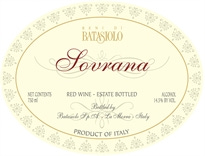
The Sovrana Barbera d’Alba 2009, a single-vineyard wine made by the estate of Beni di Batasiolo, is a “new style” Barbera, that is, it’s aged in small oak barrels — 12 to 15 months — instead of the traditional large old casks. The controversial process — sides have been drawn,
insults hurled throughout Piedmont — imparts a different range of aromatics to the bouquet, and yet what a winsome and seductive range that is. Sovrana Barbera d’Alba 2009 offers an incredible perfume of dried cloves and sandalwood, lavender and potpourri and pomander, dried red currants and raspberries with a tinge of ripe mulberries and plums, layered with dusty graphite, all quite penetrating and evocative. In the mouth, matters take a more serious turn; the wine is intense and concentrated, displaying heaps of backbone and grit and vibrant acidity, along with dense, chewy, slightly grainy tannins and, finally, tightly-knit flavors of black cherry, red currants and tart
mulberries. The finish brings in more earthiness and granite-like minerality with hints of iron and iodine. Give it some air and give it food; this is no smacky-mouth sipping wine but a beverage intended for a salt-strewn medium rare rib-eye steak, a veal chop grilled with rosemary and garlic or, as we tested it last night, with spaghetti with sausage meatballs, basil and peas, a Jamie Oliver recipe. 14 percent alcohol. Drink now through 2015 or ’16. Excellent. About $20.
Imported by Boisset America, St. Helena, Ca. A sample for review.
April 17th, 2012 at 10:17 am
Barbera was once referred to as the “poor man’s Barolo..”, i.e., a wonderful, simple, everyday wine, especially food-friendly because of its great acidity. Now that it’s being tarted up using small barriques, pumping up the alcohol, etc. to make it more “internationally appealing”, what’s the point? It will become indistinguishable from so many others out there.
April 17th, 2012 at 5:20 pm
I agree, Ed. I tasted hundreds of examples at the Barbera 2010 conference and found many undrinkable because of the heavy use of French barriques. This one today though I thought retained some of the old-fashioned resiliency of fruit and deftness of acid to keep it from being too “modern.”